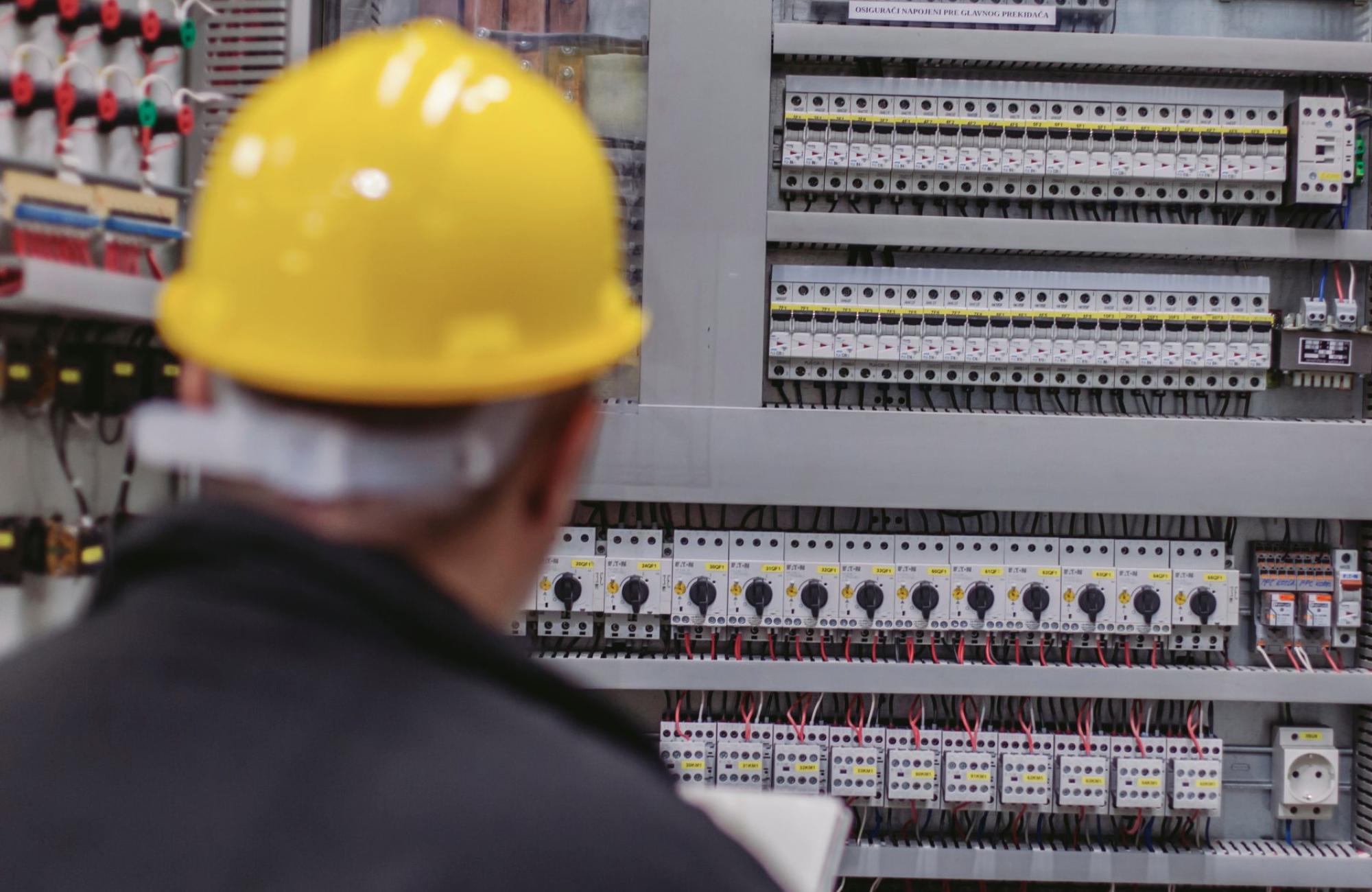
Commercial buildings bring together equipment, technology and people to support daily operations. Their performance depends on how effectively these elements work together as occupancy, conditions and operating demands change. A building automation system provides...
There’s no getting around it: service calls are simply part and parcel of running a facilities department. The vast majority of these service calls tend to be reactive. Someone on the facilities team notices a problem, an equipment failure, or a building system that...
Building automation security used to be an afterthought. For years, Operational Technology (OT) networks stayed separate from IT infrastructure, and the assumption was that if your building automation systems weren’t visible to the outside world, they were safe. That...
The typical day in the life of a facilities team member rarely goes according to plan. Instead of focusing on critical priorities and tasks, facilities staff often spend the brunt of their time addressing service calls, occupant complaints, system alerts, and nuisance...
Building automation systems (BAS) are often treated as something that comes later in a construction or BAS legacy upgrade project, once equipment is selected, systems are specified, and work is already moving. A late-stage approach can create real consequences for...
Most building automation systems were designed to be managed from a desk. A browser on dual monitors, a dedicated in-office workstation, maybe a laptop if you’re lucky. That type of setup works fine when your facilities team is always in the building, but it...