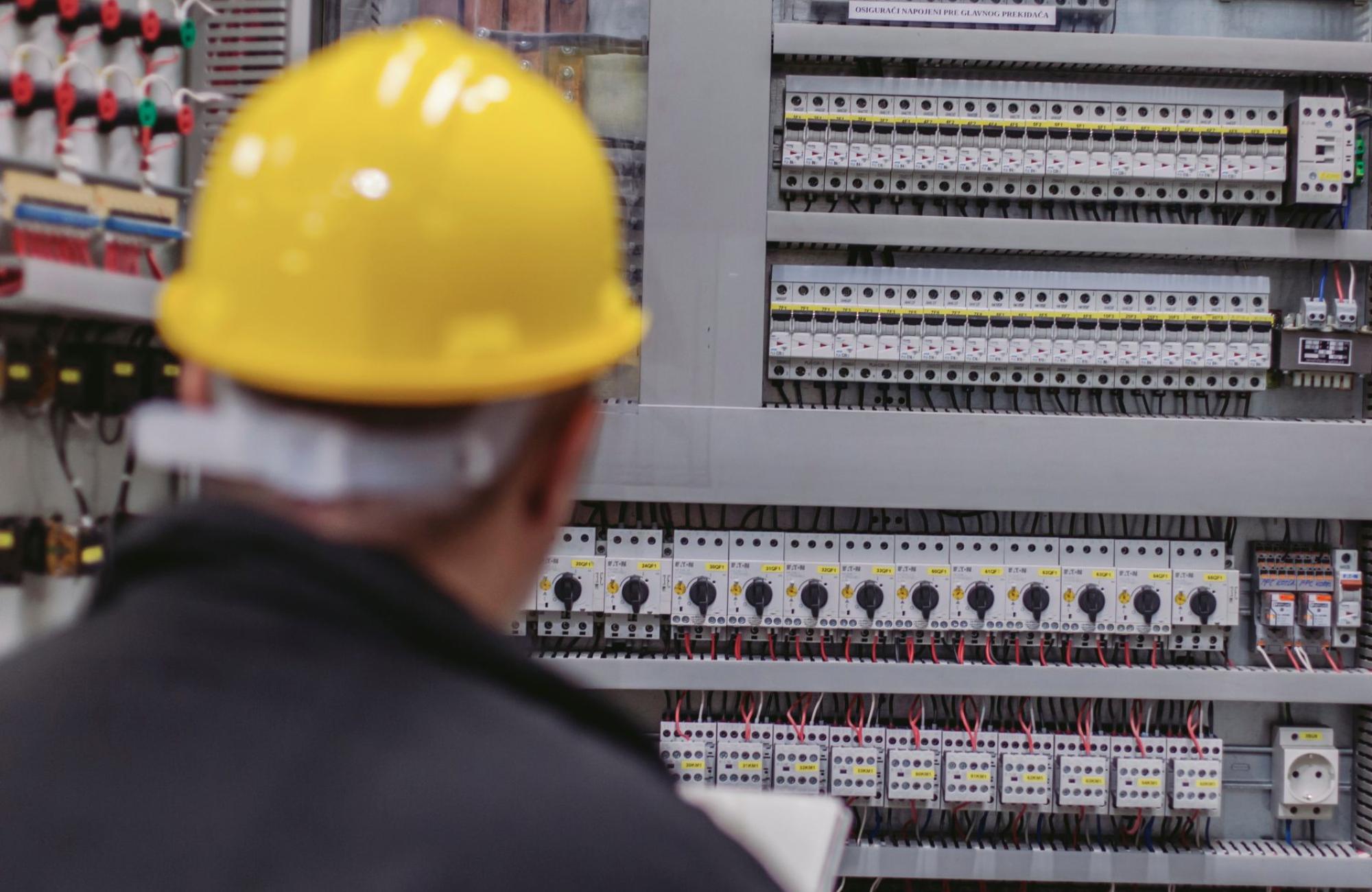
Building automation systems (BAS) are often treated as something that comes later in a construction or modernization project, once equipment is selected, systems are specified, and work is already moving. A late-stage approach can create real consequences for building owners, contractors, and facility teams.
Commercial, industrial, and institutional buildings are more connected, data-driven, and energy-sensitive than ever. HVAC equipment, lighting, meters, sensors, alarms, and specialty systems all need to work together. At the same time, more equipment now arrives with factory-installed or embedded controls, which can make systems appear more “ready to go” than they actually are.
That is where the hidden complexity begins.
Factory-installed controls can reduce some field work; however, someone still needs to make sure those controls connect to the larger BAS and work in real-world conditions. You and your team need to decide what data will be available, who owns programming and commissioning, how sequences will be defined, and whether the final system will support how the building actually needs to operate.
When a BAS partner is brought in too late, the project team may discover that equipment can’t communicate as expected, sequences are incomplete, integration points are missing, or ownership is unclear across the OEM, mechanical contractor, electrical contractor, commissioning agent, and BAS provider. The system may technically operate but not perform as you intended.
So, when is the right time?
The answer is Goldilocks: Early enough for their input to influence design and not so late that they are reacting to decisions already made.
For most construction or modernization projects, that means engaging a BAS partner during design development, before major equipment selections are finalized, specifications are locked, and procurement limits available options. At minimum, the BAS partner should be involved before the 50% construction document milestone.
For more complex facilities like energy-intensive buildings, mission-critical environments, laboratories, healthcare facilities, campuses, and projects with aggressive performance or compliance requirements, a BAS partner should be involved as early as schematic design.
Early involvement gives the BAS partner time to review the operating strategy, evaluate equipment compatibility, define points and sequences, clarify integration requirements, and align the BAS design with your performance goals. It also helps the project team identify where factory-mounted controls may create interoperability issues, where proprietary systems may limit flexibility, and where additional points, interfaces, or commissioning expectations need to be defined.
What questions your BAS partner will ask
A strong BAS partner helps the project team answer practical questions before they become field issues:
- Which systems need to integrate with the BAS?
- What protocols, gateways, or interfaces are required?
- What points, alarms, trends, and graphics need to be available?
- Who owns programming, networking, graphics, commissioning, and operator training?
- How should the system respond to real operating conditions?
- What does the owner need to see, control, measure, and maintain after turnover?
These decisions affect more than startup. They shape your long-term relationship with your BAS – whether the system is easy to operate and your building can meet its comfort, efficiency, reliability, and compliance goals over time. The goal is not simply to install controls. It’s to create a clearer path from design to operation, ensuring that the system is sewn together correctly rather than patched together at the end.
A simple timing model
Here’s what to ask of your BAS partner at key stages:
Schematic Design: Confirm operating goals, energy requirements, integration expectations, and preferred BAS architecture. Identify which systems need to communicate and where early equipment decisions could limit future flexibility.
Design Development: Review equipment selections, communication protocols, points lists, sequences, alarming, trending, graphics, and commissioning expectations as part of active discussions with the team.
Before 50% Construction Documents: Confirm the controls scope, integration path, responsibility matrix, and BAS requirements before specifications are locked. This is the critical window for avoiding unclear ownership, missing points, incompatible equipment, and incomplete sequences.
Before Procurement: Review equipment submittals and factory-mounted controls packages for BAS compatibility, required gateways, available data, network requirements, and serviceability. This helps avoid buying equipment that cannot support the intended controls strategy.
During Construction and Commissioning: Use the agreed-upon BAS strategy to guide installation, programming, graphics, functional testing, owner training, and optimization. At this stage, the focus should be execution, not discovering fundamental design gaps.
Bringing a BAS partner earlier is like bringing in a communications coach when rehearsing for an important presentation. They shouldn’t add complexity. They’re there to expose the complexity that already exists while there’s still time to manage.