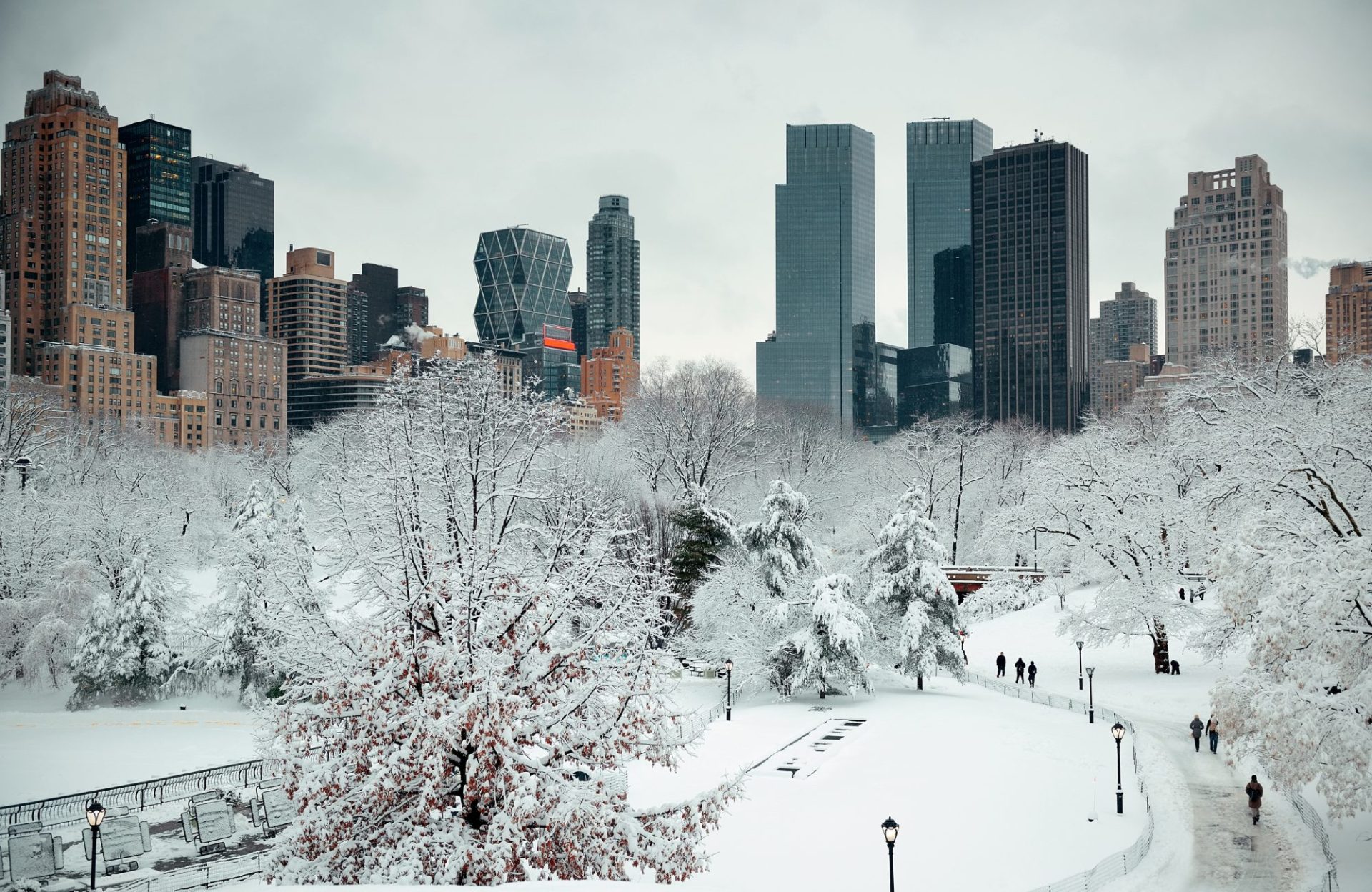
Winter is coming. Now is the ideal time to prepare and optimize you building systems for the dropping temperatures and harsh conditions. This winterization checklist prioritizes actions you can take now take to help keep your critical building systems performing efficiently and reliably, while keeping occupants comfortable and safe.
HVAC Systems
Inspect and perform any needed maintenance on the buildings HVAC systems to ensure they’re ready to keep the building spaces at the right ambient conditions when temperatures drop.
- Clean out drain lines and pans to prevent freezing.
- Optimize the scheduling for winter occupancy and unoccupied periods, with warm-up time as needed.
- Test freeze protection features in the piping and coils, and enable antifreeze setpoints.
Sensors and Controls
Be sure to include sensors and controls on your checklist. Proper calibration helps ensure that HVAC systems operate efficiently to reduce waste and costs while maintaining a consistent and comfortable indoor environment.
- Confirm that freeze stats, low-temperature cutoffs, and heat trace controls are in working order to prevent pipes, coils, and mechanical systems from freezing.
- Take a snapshot of outdoor temperature at its coldest (typically around 3:00 a.m.) and use this data to create warm-up functions with an optimal start time.
- Adjust ventilation controls to balance fresh air needs with heating demand to maintain indoor air quality when the building is sealed up for winter.
Boilers and Rooftop Units
Inspect your building’s boilers and RTUs to ensure their continued operation throughout the winter season for optimal occupant comfort.
- Verify low temperature controls to prevent coils from freezing.
- Turn boilers back up to design temperature if they have been turned down during warmer months and don’t have a remote reset function.
- Ensure that safety controls and overrides are functioning properly.
Building Automation Systems (BAS)
Check BAS to ensure reliable and efficient operation during peak heating demand, protect indoor comfort, prevent system failures, avoid costly damage, and promote the longevity of equipment.
- Validate BAS programming for winter operation modes, such as setback temperatures, and demand-controlled ventilation changes.
- Seal and insulate BAS components to protect exposed wiring, sensors, and control panels from moisture intrusion and cold exposure that could lead to malfunctions or short circuits.
- Make sure sensors for temperature, humidity, and water leaks are integrated with BAS to trigger early warnings of cold-related risks like frozen pipes or HVAC failures.
Alarms
Harsh winter conditions can significantly strain heating equipment and electrical systems, raising the risk of fire hazards, carbon monoxide exposure, and system malfunctions. Checking your critical safety and alert systems allows you to identify and address issues before they escalate.
- Test automation sequences and notifications for critical winter-related faults such as freezing temperatures and boiler failure.
- Review alarms making sure to ensure nothing has been disabled and proper notifications will be triggered when needed.
- Inspect fire alarms, carbon monoxide (CO), and fire sprinkler systems to identify vulnerabilities such as leaks, corrosion, and drainage issues.
Electrical Systems
Plummeting outdoor temperatures increase the stress on electrical systems. Verifying and maintaining the proper function of electrical system is crucial to making sure your electrical keeps up with demand.
- Regularly check backup power systems to make sure they’re ready to run in case of outages and winter storms.
- Check circuit breakers, outlets, switches, and appliances for proper function.
- Verify lug torque on a regular schedule in combination with thermal imaging.
Pipes and Plumbing
Freezing temperatures can lead to significant issues for plumbing and pipes, resulting in operational disruptions and extensive property damage from water leaks, flooding, mold growth, and structural issues.
- Install pipe heaters or heat tape in high-risk locations and conduct ongoing winter maintenance.
- Drain outdoor faucets and irrigation lines, leaving valves open, and confirm shut-off valves are working correctly.
- Check sump pumps and drainage controls for ice buildup or other operational issues.
Lighting Systems
Properly functioning lighting systems are particularly critical when days are shorter. Preparing lighting systems for harsh winter conditions helps ensure visibility, protect occupant safety, improve energy efficiency, and maintain operational reliability.
- Weatherproof components to prevent moisture damage and protect fixtures from snow and ice with snow guards or shields that allow for light output.
- Test the emergency backup power to prevent lighting outages.
- Inspect lighting fixtures, switches, and panels for any damage, corrosion, or wear, and examine wiring, connections, and electrical components for needed repairs or replacements.
Electrical Generators
Cold weather can impact the performance and reliability of electrical generators. Taking the right preventative steps leading up to winter months can help prevent fuel lines from freezing, engine oil from thickening, battery failure, and ice formation on electrical components.
- Test backup generators and ensure your facility has a reliable power backup plan in case of power outages.
- Use winter-grade oil, lubricants and fuel or fuel additives and replace oil filters to prevent oil thickening and ensure proper lubrication in low temperatures.
- Employ engine block heaters, battery blankets, and fuel line heaters to keep the engine components and fuel system warm.
Your Winter-Ready Plan of Action
More than a checklist for winterizing your building systems, you’ll need a plan of action to implement it. Before temperatures start dropping, create your winter-ready strategy, assemble your team, assign roles and responsibilities, and start checking off your list. Albireo Energy is here help you at any step, in any season, so don’t hesitate to reach out.